LittleMaster 小 · 状 · 元

English Programme

English Programme

Our English Programme helps students build strong English skills through a clear, step-by-step approach. Carefully developed and refined over time, it is suitable for both local and international students.


Students start with phonics and progress from grammar and sentence building to creative writing, enabling them to improve steadily, gain confidence, and develop strong reading habits.

What happens in class?

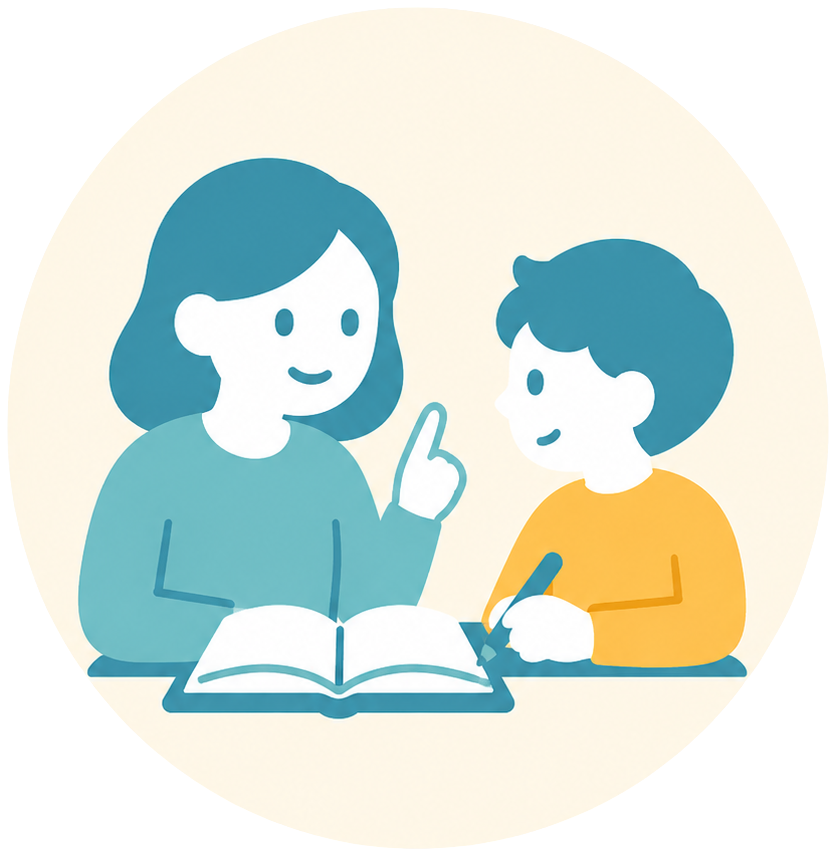
Activities that encourage students to express their ideas
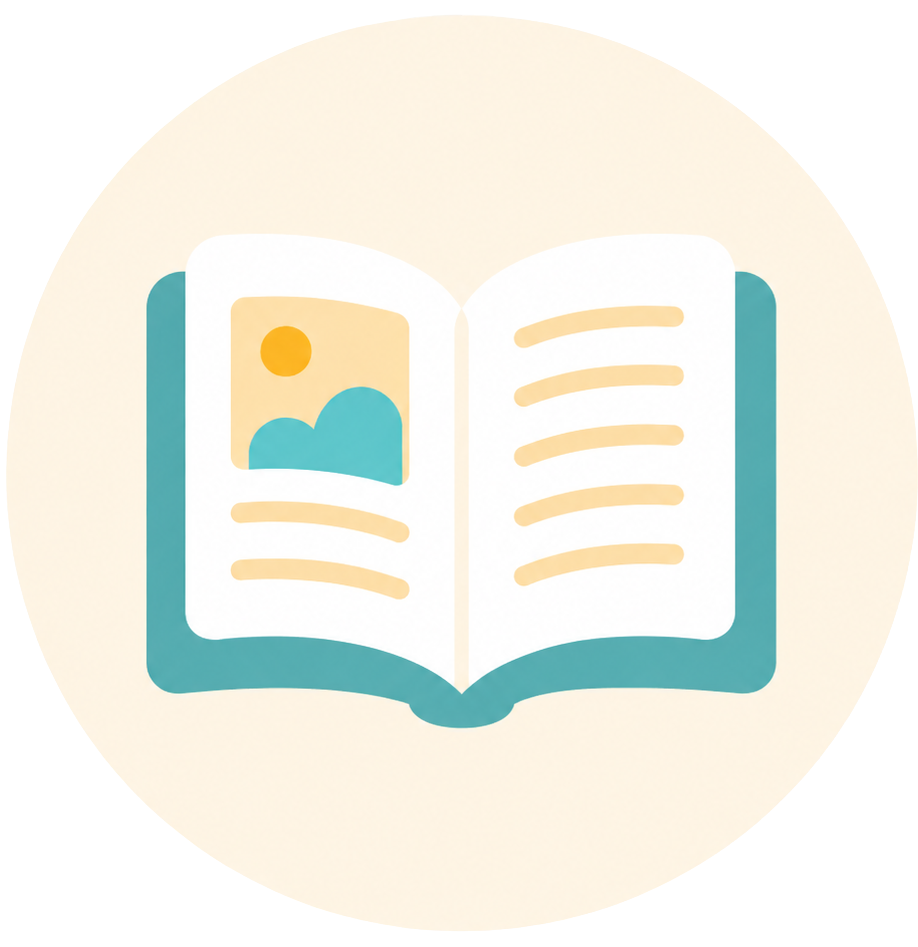
Engaging reading activities that spark students’ interest

Writing practices that encourage creativity and expression
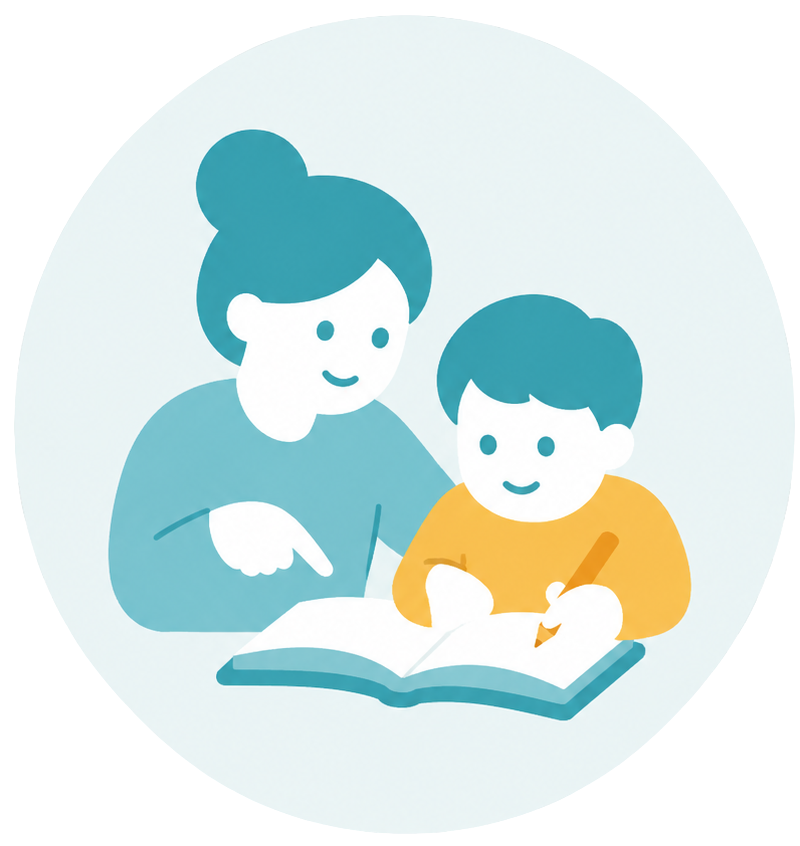
1-on-1 support to ensure students fully understand before progressing

Learn at their own pace in a stress-free environment


What can students learn?

Our programme is structured into progressive stages to ensure continuous development:

Junior Level

(Step 1 - 3)

Senior Level

(Step 4 - 5)

Expert Level

(Step 6 - 7)

Master Level

(Step 8 - 9)

Our Courses Include

WORD RECOGNITION

Helping children identify and understand new words with visual aids.

READING

Encouraging fluent reading through engaging stories and activities.

Comprehension

Building critical thinking by analyzing texts and answering questions about them.

Application

Practicing vocabulary and grammar through writing and speaking tasks.

Little Master® Learning System

Empowering children to learn and grow

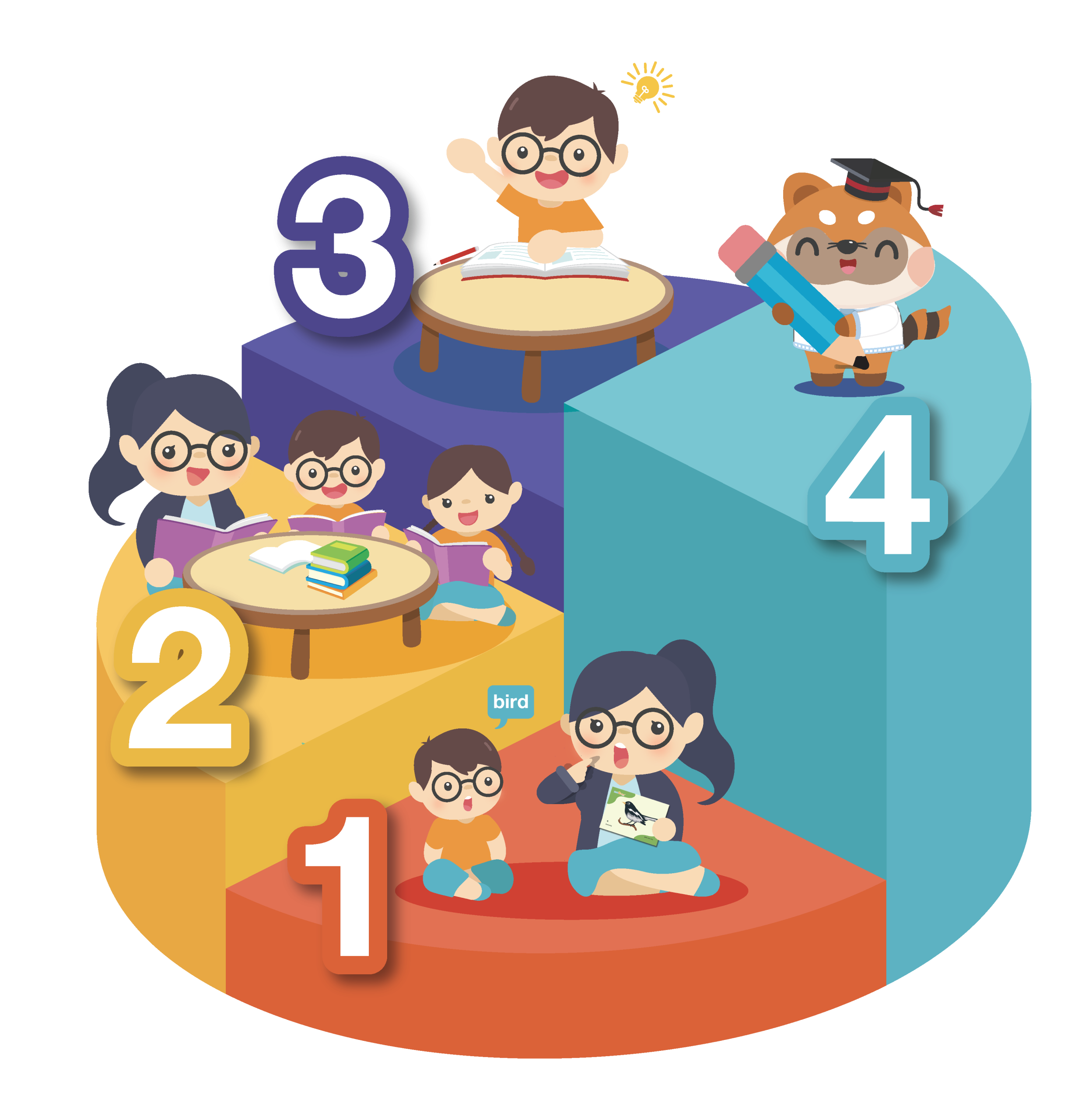
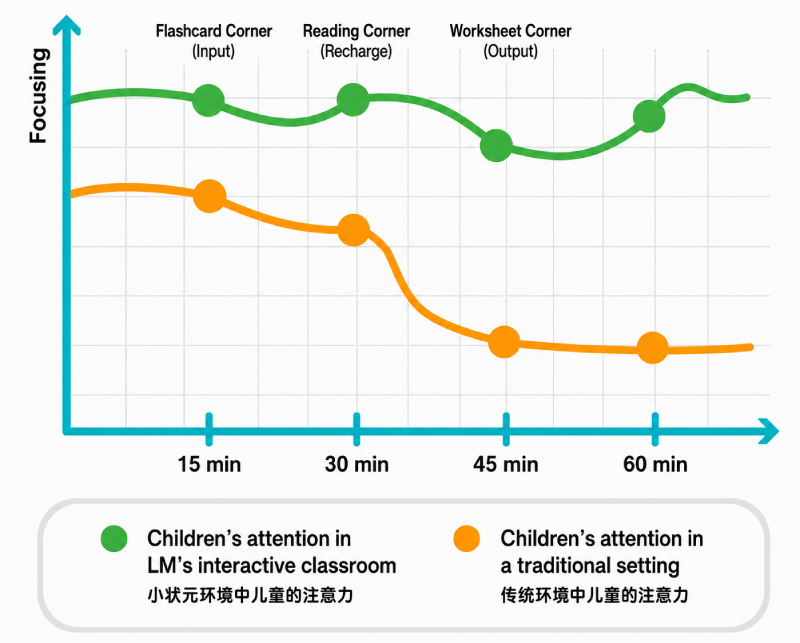
3 Major Steps

1
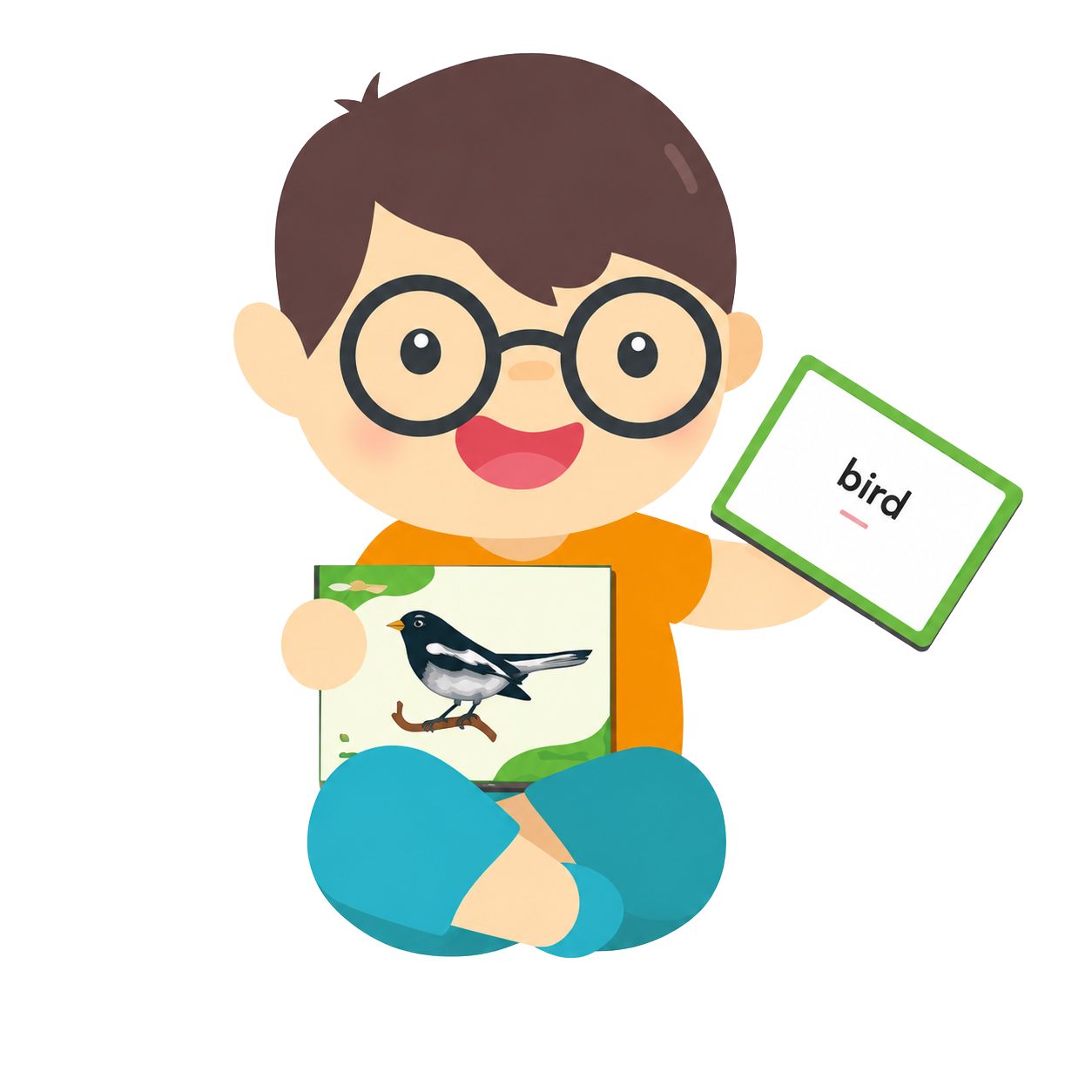
FLASHCARD CORNER
(Input)
Children learn new words with fun and fast flashcards.
2
READING CORNER
(Recharge)
Children strengthen their vocabulary through fun and simple reading activities.
3
WORKSHEET CORNER
(Output)
Children apply what they’ve learned through writing exercises and worksheets.

Why Little Master®?

We don’t believe in “one-size-fits-all” education.
Here’s how we’re different.

Junior Level

LITTLE MASTER Teaching Approach

Personalised attention for every child

Ability-Based Learning

We teach according to ability, not age

Mastery Through Repetition

We review until the child truly understands

Clear Progress Updates

Parents receive regular feedback and learning reports

Learning That’s Fun and Meaningful

We make lessons interesting, so children enjoy learning

Traditional Approach

Too Many Students

Teachers can’t give enough attention to each child

Same Lesson for Everyone

Children may feel lost or bored when the pace doesn’t suit them

Teach and Move On

If your child didn’t catch up, the class doesn’t wait

No Clear Updates

Parents don’t know how well their child is doing

Dry & Rigid Lessons

Boring drills make children lose motivation quickly

LM Teaching Approach vs. Traditional Approach

Parents Ask About Our English Programme

Yes. The Little Master English Programme begins with phonics and letter-sound recognition, providing children with an essential foundation for reading and pronunciation.

As they progress, they develop vocabulary, grammar, reading, sentence construction and writing skills through our structured step-by-step learning approach.

Yes. Children can begin from their current English ability.

Beginners may start with phonics, basic vocabulary and simple sentence building before progressing to reading, grammar and writing. Our step-by-step approach allows children to build their skills and confidence gradually without feeling overwhelmed.

Yes. Children first develop strong sentence construction, vocabulary and idea organisation skills.

As they progress, they learn to write paragraphs, express their ideas clearly and develop greater creativity and confidence in writing.

While traditional tuition often focuses on schoolwork and examinations, Little Master focuses on developing long-term English literacy and communication skills.

Through our structured Little Master Learning System (LMLS), children strengthen reading, writing, grammar, comprehension and independent learning skills so they can become confident English users.

By completing the highest level of our English Programme, children are expected to become more confident readers, writers and communicators.

They develop stronger grammar, vocabulary, comprehension and writing skills while gaining confidence to use English effectively in school and everyday life.